
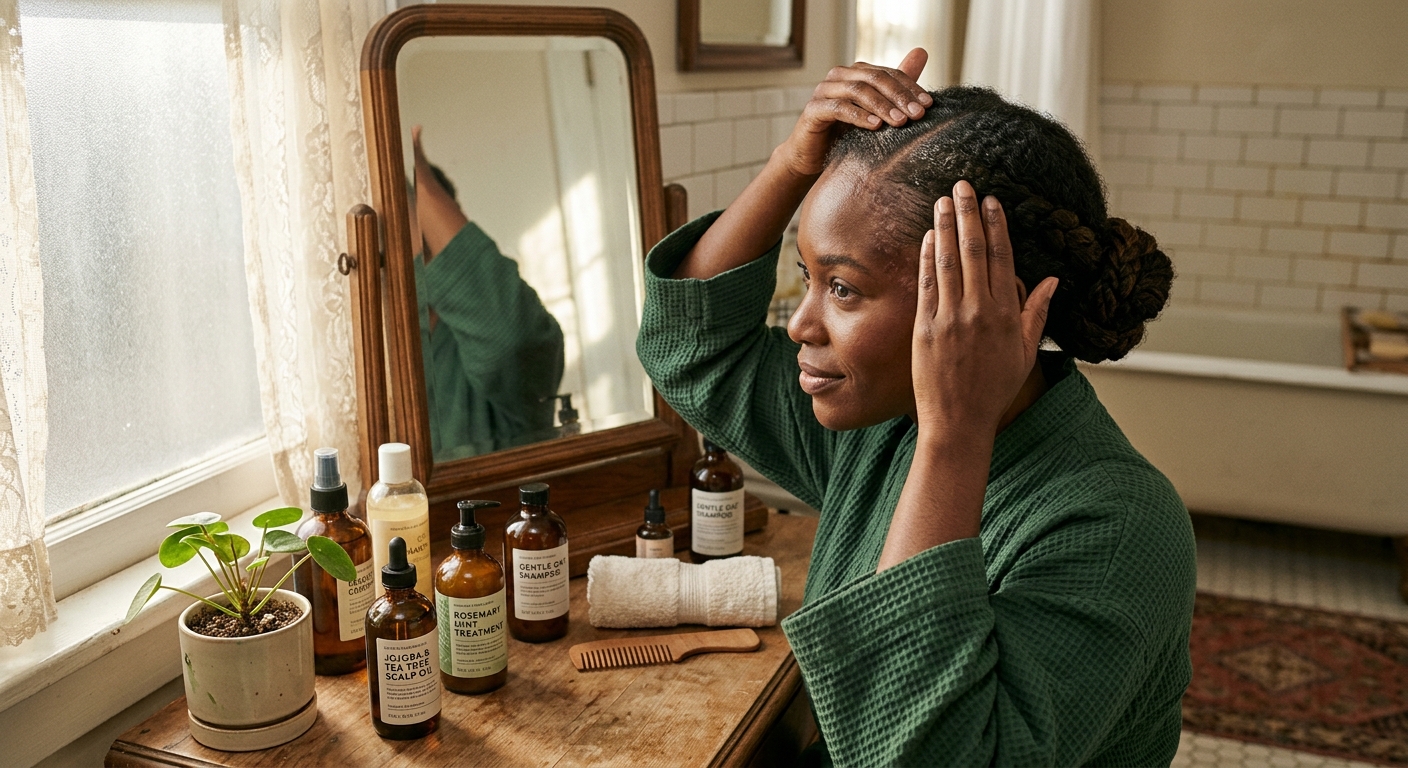
Recognizing Scalp Eczema on Dark Skin and Textured Hair
Scalp eczema is an inflammatory skin condition that can affect individuals of all ages, presenting as itchy, dry, and inflamed skin on the scalp. While common across diverse populations, its manifestation on darker skin tones and textured hair often differs significantly from its appearance on lighter skin, which can lead to confusion or delayed identification. Understanding these unique characteristics is crucial for accurately recognizing the condition and pursuing appropriate care.
The most prevalent form, seborrheic dermatitis, is often associated with an overgrowth of Malassezia yeast on the scalp, which irritates the skin and contributes to flaking, itching, and inflammation. Other types include atopic dermatitis and contact dermatitis, each influenced by factors such as genetics, environmental triggers, and lifestyle choices. For individuals with melanin-rich skin, the typical redness seen in lighter skin tones may be replaced by purplish, brown, or ash-gray discolorations, making visual identification challenging without specific awareness of these variations.
Beyond color changes, scalp eczema on darker skin can present with small, raised bumps around hair follicles, known as follicular papules, which may resemble persistent goosebumps. The affected skin might also develop thickening, or lichenification, which can appear more pronounced due to the way light interacts with textured skin surfaces. These distinct visual cues are important to note, as they often deviate from standard eczema descriptions and require a tailored diagnostic approach.
Furthermore, individuals with darker skin are more susceptible to post-inflammatory dyspigmentation, meaning that after eczema resolves, lighter (hypopigmentation) or darker (hyperpigmentation) patches may persist. These pigmentary changes can be long-lasting and significantly impact the scalp’s appearance, adding another layer of concern for those affected. Certain hair care practices common in Black and Brown communities, such as the use of heavy pomades or infrequent shampooing, can also exacerbate seborrheic dermatitis by creating an environment conducive to Malassezia yeast overgrowth.
Getting an Accurate Diagnosis
Diagnosing scalp eczema in individuals with darker skin tones and textured hair requires a thorough approach, as its varied presentation can easily be mistaken for other scalp conditions. Clinicians must be aware that eczema on melanin-rich skin may manifest as violaceous or hyperpigmented lesions, dryness, swelling, or oozing, rather than the classic redness and scaling often depicted. These atypical signs necessitate a careful evaluation to avoid misinterpretation or underestimation of the condition’s severity.
Distinguishing scalp eczema from other dermatoses like psoriasis, fungal infections, or folliculitis is a common challenge, as many of these conditions share symptoms such as flaking, itching, and scaling. For example, psoriasis typically involves thicker, silvery-white scales that may bleed when scratched, while seborrheic dermatitis on darker skin might appear as hypopigmented or scaly macules in oil-rich areas. A comprehensive patient history is therefore critical, including inquiries about family history of inflammatory skin diseases, lifestyle factors, stress levels, and any recent changes in hair care routines or products that could trigger symptoms.
Given that certain hair practices prevalent among Black and Brown individuals, such as chemical straightening, the use of pomades, or infrequent shampooing, can contribute to scalp eczema, these factors must be carefully considered during the diagnostic process. In situations where the clinical presentation remains ambiguous or to rule out other conditions definitively, a skin biopsy may be performed to ensure diagnostic accuracy. Standard severity assessment tools like the Eczema Area and Severity Index (EASI) are often less reliable for darker skin types, underscoring the need for specialized expertise and adapted diagnostic approaches.
Tailoring Treatment for Dark Skin and Textured Hair
Effective management of scalp eczema, particularly for individuals with dark skin and textured hair, demands a comprehensive strategy that addresses both inflammation and the unique considerations of hair type and styling practices. Treatment focuses on reducing irritation, controlling fungal growth, maintaining scalp hydration, and adapting hair care routines to minimize flare-ups. A personalized approach is key to achieving symptom relief while preserving hair integrity.
Strategic Product Choices for Your Scalp and Hair
Personal hygiene and daily scalp care form the foundation of preventing and managing scalp eczema, necessitating the use of mild, fragrance-free, and hypoallergenic shampoos designed for sensitive skin. Shampoos containing antifungal agents like ketoconazole, ciclopirox, or coal tar are particularly effective in controlling Malassezia yeast, a common contributor to seborrheic dermatitis, helping to reduce itchiness, inflammation, and flaking. However, it is important to avoid shampoos with harsh irritants such as sodium lauryl sulfate (SLS) and certain preservatives, which can strip natural oils and worsen eczema symptoms.
For individuals with textured or afro-textured hair, heavy hair oils and products may inadvertently exacerbate symptoms by providing a food source for fungi like Malassezia, making it advisable to limit or avoid these where possible. Instead, gentle, oil-based moisturizers such as E45 cream or coconut oil can soothe the scalp, provided they are used cautiously after patch testing to prevent adverse reactions. Applying moisturizers overnight under a cotton turban or shower cap, then rinsing in the morning, can often enhance their effectiveness.
Vigilance regarding potential allergens and irritants in hair care products is crucial, as ingredients like paraphenylenediamine (PPD) in hair dyes and harsh bleaches can trigger allergic or irritant contact dermatitis on eczema-prone skin. If any redness or raised skin occurs after product use, discontinuing it and consulting a healthcare provider for alternative options is essential. Furthermore, excessive heat from styling tools and hot water should be used sparingly, as it can irritate the scalp and intensify symptoms.
Selecting shampoos with skin-soothing and moisturizing ingredients like organic aloe vera, colloidal oatmeal, manuka honey, glycerin, panthenol, and white willow bark extract can significantly improve comfort and reduce flare-ups. Hypoallergenic and sulfate-free formulations are especially beneficial for sensitive scalps, even if they require a bit more effort to lather. Research indicates that certain hair care practices common among Black women, such as chemical straightening, using pomades, and hair extensions, may increase the risk of scalp irritation or disrupt the skin barrier, highlighting the need for specialized routines that include gentle product application underneath braids or locs.
When to Seek Medical Guidance
For moderate to severe cases of scalp eczema, over-the-counter solutions may not be sufficient, and prescription treatments become necessary to manage symptoms effectively. These can include medicated shampoos with stronger antifungal or anti-inflammatory agents, topical corticosteroids, or calcineurin inhibitors. Exploring clinical trials and emerging therapies may also offer additional avenues for symptom relief and long-term management, especially for persistent or resistant cases.
It is essential for individuals to consult healthcare providers, particularly dermatologists experienced with diverse skin types, for an accurate diagnosis and personalized treatment plan. Professional guidance ensures that treatments are tailored to their specific skin type, hair care needs, and lifestyle, optimizing outcomes and preventing potential complications. Effective management often involves a combination of medical treatments and careful adjustments to daily hair care routines.
Navigating Challenges in Care
Individuals with darker skin tones and textured hair often encounter unique challenges in the diagnosis and treatment of scalp eczema, stemming from a combination of systemic and cultural factors. A significant barrier is the disparity in healthcare access, with many individuals facing limitations due to factors like lack of health insurance or geographic distance from specialized dermatological care. These systemic issues can delay timely and effective treatment, allowing the condition to worsen.
Another critical challenge is the limited number of healthcare providers who are knowledgeable about how eczema manifests on darker skin, where symptoms may appear as light-colored or brown patches rather than the classic redness. This lack of expertise can lead to misdiagnosis or delayed diagnosis, impacting the choice of appropriate treatment modalities and exacerbating health disparities. Socioeconomic and cultural factors also influence hair care practices, which are integral to managing scalp eczema in communities of color, requiring tailored approaches to avoid irritation or symptom exacerbation.
For instance, some hair oils commonly used in textured hair can inadvertently worsen conditions like seborrheic dermatitis by providing a nutrient source for Malassezia yeast, complicating treatment efforts. Resources like the Skin of Color Society and the American Academy of Dermatology Association are working to address these disparities by connecting patients to dermatologists trained in treating diverse skin types. These initiatives aim to improve access to culturally competent care and enhance outcomes for people with scalp eczema in communities of color, fostering better understanding and management of the condition.
Addressing the Broader Impact of Scalp Eczema
Scalp eczema can exert significant psychological and social effects, particularly for individuals with dark skin and textured hair, where hair often holds deep cultural and personal importance. The visible nature of symptoms like flaking, discoloration, and inflammation can lead to considerable distress and negatively impact self-esteem, especially given hair’s role in self-expression and identity within Black and Brown communities. This emotional burden extends beyond the physical discomfort, affecting overall quality of life.
The challenges associated with diagnosis and treatment, including potential delays or misinterpretations of symptoms by healthcare providers unfamiliar with eczema on darker skin, can exacerbate feelings of frustration and isolation. When symptoms are harder to identify or manage on darker skin tones, it can lead to misunderstandings by both patients and clinicians, further contributing to emotional distress. The stress linked to flare-ups and the subsequent impact on hair health can create a cycle of anxiety and self-consciousness.
Professional support networks, such as the Skin of Color Society, play a vital role in bridging gaps in dermatological care by increasing awareness and education about eczema in diverse skin types. These efforts aim to improve not only clinical outcomes but also the patient experience, acknowledging the intersection of cultural identity, visible symptoms, and systemic healthcare barriers. Recognizing and addressing these complex psychological and social burdens is crucial for providing comprehensive care to individuals managing scalp eczema on dark skin and textured hair.
The content is provided by Harper Eastwood, 12minread