The Controversial Social Media Post
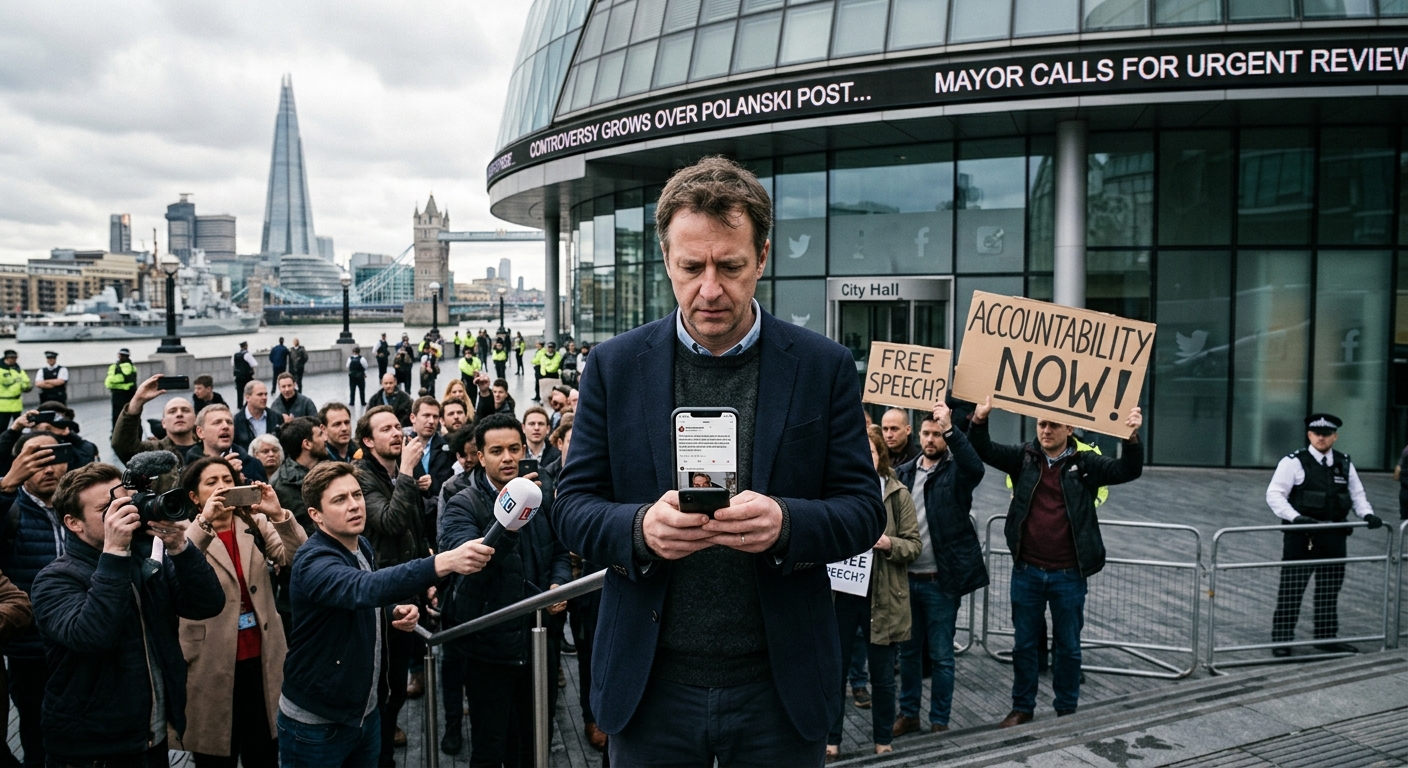
In July 2026, Zack Polanski, a Green Party leader and member of the Greater London Assembly, became embroiled in controversy after sharing a social media post that featured a photograph of a man wearing a T-shirt emblazoned with a guillotine and the phrase “We’re only making plans for Nigel.” This image, part of a collaborative carousel of photos from a Green Party event, was shared on Polanski’s Instagram and remained visible for approximately five hours before its removal. The post immediately sparked widespread condemnation due to its perceived violent connotations, particularly sensitive given its timing shortly after the murder of Conservative MP Ann Widdecombe, which had heightened concerns over the safety of public figures.
Although the image did not explicitly name Nigel Farage, leader of Reform UK, it was widely interpreted as a direct and threatening reference to him, leading to immediate backlash. Reform UK formally reported Polanski to the Metropolitan Police and indicated plans to escalate the matter to the Greater London Assembly’s monitoring officer, accusing him of inciting violence. Farage publicly asserted that if he had shared such a post, he would expect to be arrested, demanding similar consequences for Polanski and emphasizing the gravity of the incident as incitement to murder.
Polanski’s Explanation and Stance
Zack Polanski acknowledged that sharing the controversial image was a significant misstep, explaining that he had accepted a collaborative social media post containing numerous images from a Green Party event without fully reviewing all its content. He clarified that the contentious photograph was part of a carousel of about 20 pictures and was removed immediately once its problematic nature was brought to his attention. This explanation aimed to frame his involvement as an oversight rather than a deliberate endorsement of the message.
Polanski condemned the message on the T-shirt as being in poor taste, especially considering the heightened concerns around the safety of public figures at the time. Despite this acknowledgment, he maintained that the intent behind the photo was satirical rather than threatening and that he did not personally create or independently share the image. The photographer responsible for the original image, using the username just.barold, also apologized to Polanski, stating that the post was intended as political satire and not a serious threat, and confirmed he had reported himself to the police.
When pressed, Polanski notably refused to issue a formal apology directly to Nigel Farage, insisting that the post was a mistake rather than a deliberate act of malice. He emphasized his condemnation of political violence and expressed a commitment to improve his conduct on social media, but declined to offer a direct apology to Farage. This stance drew criticism from various political figures and commentators who stressed the responsibilities of elected officials in online discourse and the need for greater care in public communication.
Calls for Accountability and Police Involvement
Reform UK, led by Nigel Farage, swiftly reported Polanski to the Metropolitan Police and the Greater London Assembly’s monitoring officer, describing the post as “staggering” and a clear case of incitement to murder under UK law. Farage publicly condemned what he perceived as a double standard in political accountability, arguing that Polanski should face consequences similar to those others would in such circumstances. The formal complaints underscored the seriousness with which Reform UK viewed the incident, demanding a thorough investigation and appropriate repercussions.
The Metropolitan Police confirmed receipt of a third-party report concerning the image and stated they were conducting inquiries, highlighting the seriousness with which such matters are treated. However, it was reported that Polanski himself had not been directly contacted by law enforcement at the time of these inquiries. This police involvement signaled that the incident was being assessed for potential legal ramifications, moving beyond mere political debate.
The Green Party distanced itself from the message conveyed by the image, with a spokesperson clarifying that Polanski unequivocally does not support calls for violence or dangerous rhetoric. They acknowledged the inappropriate nature of the T-shirt image and called for greater kindness and responsibility in public discourse to avoid exacerbating divisions during an already sensitive period. Despite this, the incident intensified debates on the limits of political expression and the accountability of public figures for their online conduct.
Broader Implications for Political Discourse
The controversy surrounding Polanski’s post reignited wider discussions about the security of public figures and the responsibilities of social media platforms in moderating content that may incite violence. Politicians across the spectrum, including Andy Burnham and Jess Phillips, called for serious reviews into MP security and greater accountability from social media companies to prevent the spread of threatening or inciting material. The incident underscored growing concerns about the potential for social media to amplify threatening rhetoric amid heightened tensions in UK politics.
Public debate around the incident was polarized, with some supporters of free speech, such as Tory peer Lord Hannan, criticizing the intense scrutiny and media outrage as “very disappointing,” emphasizing the importance of careful but balanced discourse in political communication. Conversely, opponents argued that the post demonstrated a lack of responsibility from a political leader, calling for stricter accountability measures and expressing concern over the normalization of threatening imagery in political contexts. This episode remains a notable flashpoint in discussions on political responsibility, free speech, and online conduct among public officials, prompting individuals to consider the ethical boundaries of political satire and the potential for misinterpretation in the digital age.
The content is provided by Blake Sterling, 12minread